
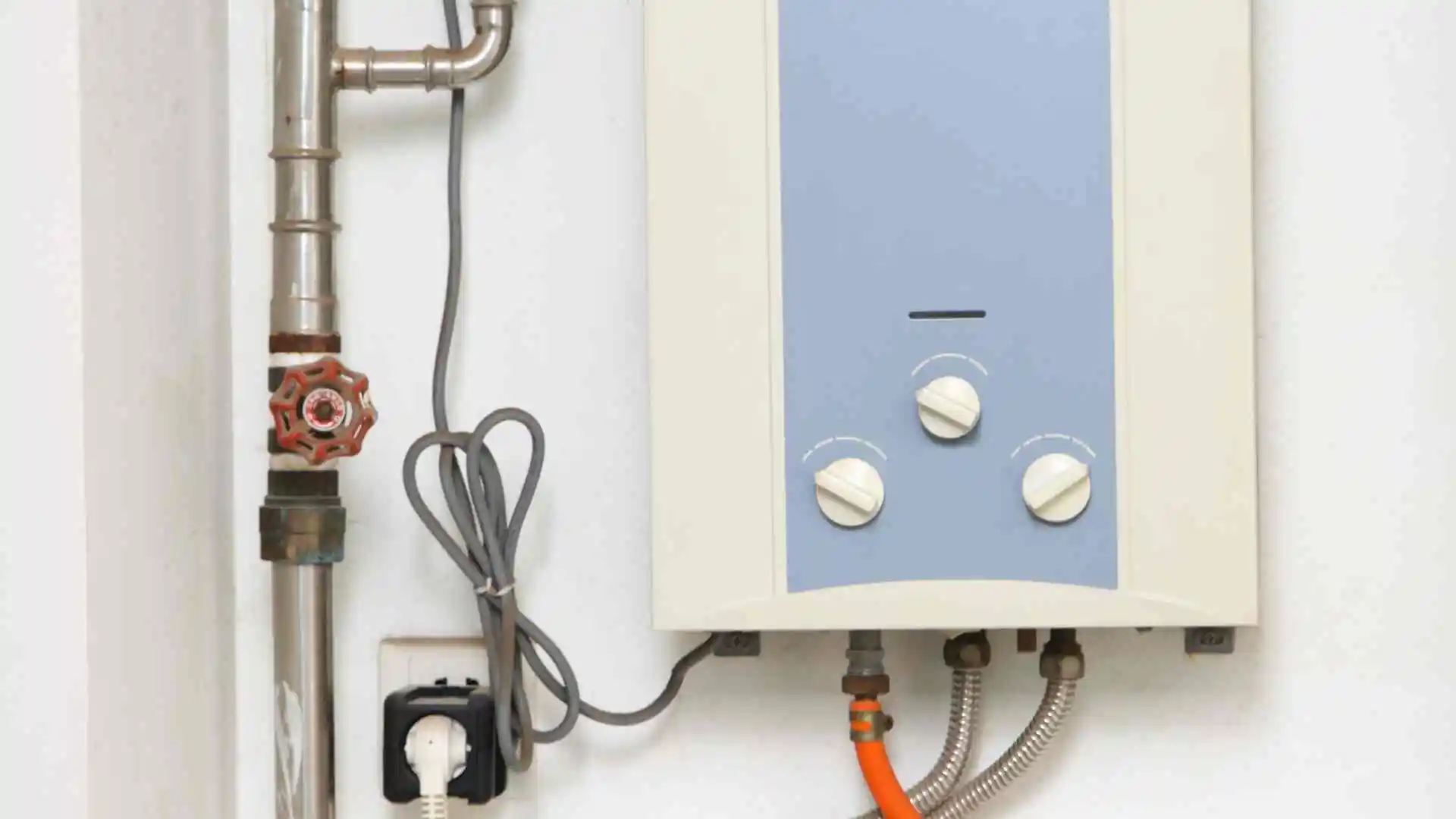
Tankless Water Heater Installation Cost: The Short Answer
Here’s what a full tankless installation costs in 2026, installed, in most parts of the country:
- Gas tankless water heater for a whole home: $3,000 to $6,500 installed
- Electric tankless water heater for a whole home: $2,000 to $4,500 installed
- Small point of use electric unit: $800 to $1,800 installed
Those are national ranges, and the spread is wide for a reason. A job that reuses a sound gas line and a short vent path lands near the low end. A first time conversion from a tank system, with new venting and a larger gas line, lands near the top. The rest of this guide breaks down where the money goes, so you can read a quote and know what you are paying for.
Need a real number for your home? Get a free quote. Describe your setup once and we’ll connect you with licensed local plumbers in your area who install tankless units.
What a Quote Usually Includes
| Part of the job | What it covers |
|---|---|
| Equipment | The tankless unit itself, sized for your home and fuel type |
| Labor | Removal of the old heater, mounting the new unit, and the hookup |
| Venting | New vent pipe and the wall or roof exit it needs |
| Gas or electrical work | A larger gas line, new wiring, a new circuit, or panel work |
| Permits and inspection | The city permit and the final inspection visit |
If a quote is missing one of these lines, ask about it before you compare totals. A low quote that leaves venting or permit fees out will grow later, and it will not grow in your favor.
The Unit Itself Versus the Installation
The hardware is only part of the bill. A quality gas tankless unit from a major brand runs about $1,000 to $2,500 at retail, and electric whole home models run about $500 to $1,500. Installation labor and materials commonly add $1,500 to $3,000 on a gas job. The sections below explain why two quotes for the same unit can sit thousands of dollars apart.
This split matters when you shop. A quote that looks high may include a larger gas line, new venting, and the permit. A quote that looks low may assume your current setup passes exactly as it stands. Ask each plumber to price the same scope of work, in writing, line by line.
What Drives the Price Up or Down
- Fuel type. Gas units cost more to buy and to vent, while electric units cost less for the hardware and more in electrical upgrades when the panel is short on capacity.
- Size and flow rate. Bigger homes with several bathrooms need a unit that delivers more gallons per minute, and capacity costs money. A unit that is too small will run cold in the shower every time two taps open at once.
- Where the unit goes. A garage wall near the existing lines is the cheapest seat in the house. An interior closet or an attic adds venting length, a condensate drain, and labor time.
- Brand and warranty length. Premium brands charge more up front and often back it with longer coverage on the heat exchanger.
- Local labor rates and permit costs. The same job priced in a rural county and a large metro will not match, sometimes by a wide margin.
Gas Versus Electric, What Changes the Bill
Gas is the common choice for a whole home because it delivers high flow rates without straining your electrical system. The watch outs are venting and gas supply. Most gas tankless units need a larger gas line than the tank they replace, and running a longer or larger line is real money. Venting must be new and sealed, routed to the outside in stainless steel or approved plastic, depending on the model.
Electric units are cheaper to buy and need no venting at all, which makes them attractive for small homes and single fixtures. The catch is appetite. A whole home electric unit can draw as much power as several large appliances running at once, and many homes need a panel upgrade before one can be installed. That upgrade alone can add $1,500 to $3,000, which erases the savings on the unit. For a single sink or a distant bathroom, a small point of use water heater is often the smarter spend, and our guide to those units covers where they make sense.
Converting From a Tank System
Most tankless installs are conversions, and conversions carry the surprises. The old tank comes out and gets hauled away. The water lines usually need rerouting to the new wall position. Gas models need that larger line and brand new venting, and condensing models add a condensate drain that has to go somewhere legal. Electric models trade that list for breaker space and heavy wiring.
None of this is wasted money. A conversion is also the moment to fix the things the old tank hid: tired shutoff valves, a missing expansion tank where code asks for one, and a drain pan that was never there. A good installer names these items in the quote instead of discovering them in the middle of the job. If you are weighing a conversion against a like for like tank swap, our water heater replacement cost guide prices the tank side of that decision.
Permits, Venting, and Code Items
Most cities require a permit for a water heater change, and tankless work is no exception. Permit and inspection fees usually run $50 to $300. The permit is not paperwork for its own sake. The inspector checks the venting, the gas connections, and the pressure relief setup, which are the three places a sloppy install can hurt someone.
Venting deserves its own warning. A tankless unit cannot reuse the old metal flue from a tank heater in most cases. Direct vent models pull combustion air from outside and push exhaust out through a dedicated pipe, and the route that pipe takes, through a wall or up through the roof, is a real cost driver. Ask your installer to show you the planned vent route before work starts.
Repair the Old Unit or Replace It?
If your current tankless unit is under about ten years old and the problem is scale, a professional descaling and service visit usually runs $150 to $300 and buys back performance. Our tankless water heater maintenance guide walks through that service and the yearly routine that keeps a unit alive. Replacement becomes the better conversation when the heat exchanger fails, when error codes keep returning after service, or when a repair quote passes about half the cost of a new installed unit on a heater that is already deep into its life.
Tank units follow the same logic on a shorter clock. A tank that is leaking from the body is done, and no repair changes that. A tank with a bad valve or thermostat at six years old is usually worth the repair.
Ways to Keep the Total Down
- Get at least three written quotes for the same scope of work. Identical jobs priced by different companies routinely land hundreds of dollars apart.
- Ask about rebates before you buy. Utilities and some states offer rebates on efficient gas and electric models, and in most programs the unit has to qualify before purchase.
- Size the unit to your real demand. One size too large costs more on day one and does nothing for your showers.
- Plan the job instead of booking it as an emergency. A planned install during normal hours avoids emergency rates, and you keep the power to walk away from a bad quote.
Get Quotes for Your Home
National ranges get you oriented. Your price depends on your fuel, your vent route, your gas line, and your local labor market, and only a plumber who hears the details can price it honestly.
America’s Service Plumber is a free matching service. You describe the job once, and we connect you with licensed local plumbers who install tankless water heaters in your area. Compare their written quotes, check the scope line by line, and hire only if the numbers work for you.
Get free tankless installation quotes. It takes about a minute, costs nothing, and carries no obligation.
Frequently Asked Questions
How much does it cost to install a tankless water heater?
Most homeowners pay $3,000 to $6,500 for a gas whole home unit installed, and $2,000 to $4,500 for an electric whole home unit installed. Small point of use units run $800 to $1,800 installed. Conversions from a tank system sit at the high end because of the venting and gas line work.
Can I install a tankless water heater myself?
The mounting and the water connections are within reach of a confident homeowner, but the gas line, the venting, and the electrical work are where permits and inspections come in, and many manufacturer warranties expect a licensed install. Most homeowners hire this one out and keep the descaling and filter cleaning for themselves.
How long does a tankless installation take?
A straightforward swap in the same fuel type usually takes half a day to a full day. A conversion from a tank, with new venting and a larger gas line, can take a full day or stretch into a second visit after inspection.
Will a tankless water heater lower my energy bills?
Usually, yes, by a modest amount. A tankless unit heats water only when you call for it, so there is no tank of hot water losing heat around the clock. Homes that use a lot of hot water tend to see the clearest savings, and the smaller bills add up across a service life that can run 15 to 20 years.
Does a tankless water heater need a permit?
In most cities, yes. Water heater replacement is permitted work, and the inspection that follows checks venting, gas connections, and safety controls. A reputable installer pulls the permit as part of the job and includes the fee in the quote.