Why Does My House Smell Like Sewer Gas: The Short Answer
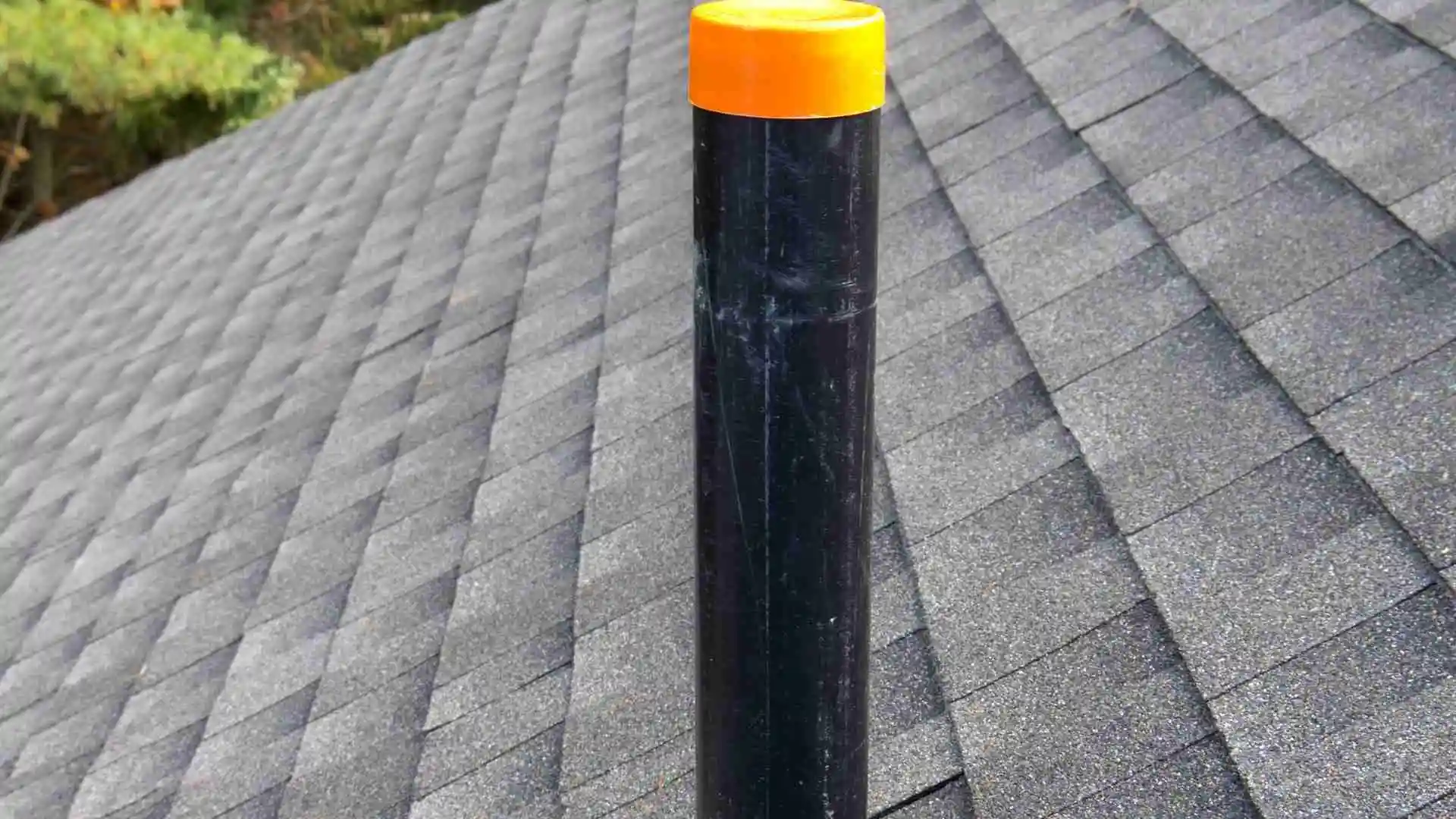
Sewer gas belongs in the pipes and out through the roof vent. You can smell it indoors only when a barrier somewhere has failed, and the barriers are simple. Every drain has a trap, a curved bend that holds a plug of water and blocks gas from coming back up. Every fixture also connects to a vent system that gives gas a path out above the roof and lets air in so drains flow without pulling that trap water away. When a trap dries out, a vent blocks, or a seal fails, the gas takes the open path into your rooms. Work through the causes below in order, because the most common one costs nothing to fix.
First, the Safety Check
One warning comes before any detective work. If the smell is strong, if it is building, or if anyone in the house feels dizzy, sick, or has a headache that clears outdoors, ventilate the rooms, leave the house, and call your gas utility or emergency services from outside. A strong rotten egg smell can also point to a fuel gas leak, which is a different and urgent problem, and it is never worth guessing which gas you are smelling. The plumbing venting guide on this site explains what is in sewer gas and why a strong smell deserves that response.
A faint smell that sits in one room and comes and goes is the normal shape of the problems below. Work through them calmly, and do not mask a lasting smell with air freshener. A smell that keeps returning is a sign, and the sign can be traced.
Cause One, a Dry Trap
This is the most common cause by a wide margin, and the easiest. The water plug in a trap evaporates when a drain sits unused, and once the bend is dry there is nothing between your room and the sewer line. Guest bathrooms, basement floor drains, laundry tubs, and spare showers are the usual suspects.
The test and the fix are the same move. Run water into every drain in the house, including the ones nobody uses, and pour a bucket of water slowly into each floor drain. Air the room out. If the smell clears within the hour and stays gone, the cause was a dry trap, and running those drains for a few seconds every week or two keeps the barrier filled.
Cause Two, a Trap That Keeps Losing Its Water
If the smell returns within days of refilling, something is pulling the water back out of the trap or the trap itself is failing. A blocked vent is the usual pull. Draining water creates suction behind it, and without a vent supplying air, that suction draws the trap water down the pipe and leaves the bend open. A trap can also leak slowly at a joint, drip by drip, until the plug is gone, and an older metal trap can rust through at the bottom of the bend where water sits all day.
Our guide to plumbing venting problems works through how vents fail and what a blocked stack does to traps across the house. Gurgling and slow drains alongside the smell point the same way, because suction and vent trouble travel together.
Cause Three, a Failed Toilet Seal
A smell that lives in one bathroom and is strongest at the base of the toilet usually points to the wax ring, the seal between the toilet and the drain flange in the floor. When that ring ages, cracks, or was compressed unevenly at installation, gas slips past it with every flush and gathers around the base. A toilet that rocks even slightly when you sit or push on it is working that seal loose a little more each day.
Look and feel around the base. Water staining on the floor or a smell that sharpens right after a flush supports the diagnosis. Replacing a wax ring means lifting the toilet, which is heavy and messy work, and many homeowners hand this one to a plumber. That is a reasonable call.
Cause Four, a Small Part That Failed Quietly
Several small parts can open a path for gas without any drama. An air admittance valve, the one way vent cap fitted under some sinks, can stick open with age, and the smell then lives inside the sink cabinet or right at that one drain. A cleanout cap in a basement can be left loose, cracked, or missing entirely, and an open cleanout is a direct pipe from the sewer line into the room. A cracked drain pipe inside a wall can leak gas long before it leaks enough water to stain anything.
Walk the house with your nose and check each spot in turn. A smell that is strong in one cabinet, one corner of the basement, or one wall points at a local part. A smell spread evenly across several rooms points back at traps and vents instead.
Cause Five, a Sewer Line Problem
The serious end of the list is the sewer line itself. A partial clog, tree roots in the line, or a damaged section can push gas back toward the house. The smell then rarely travels alone. Slow drains in several rooms, gurgling toilets, and backups of any kind are the company it keeps.
Our guide to a sewer line clog covers the signs that separate a main line problem from a single blocked drain, and what to do in the first hour when a backup starts. If your smell arrives with any of those symptoms, skip the trap checks and treat it as a line problem from the start. Work on a clogged drain at the main line, with a camera inspection, shows whether roots, a sag, or a break is behind it.
The Checks You Can Do Safely, In Order
- Refill every trap. Run each tap, shower, and tub for a minute, and pour water into every floor drain. Air the rooms out and give it an hour.
- Localize the smell. Sniff at each drain, under each sink, around each toilet base, and at basement cleanout caps. One strong spot is information.
- Check the toilet bases. Look for rocking, staining, or a smell that sharpens after a flush.
- Look at what you can reach. Check cleanout caps are present and snug, and look under sinks for a dripping trap or water damage in the cabinet.
- Note the company the smell keeps. Gurgling, slow drains, and backups move the sewer line and the vents to the top of the list.
Two cautions belong on this list. Do not pour drain cleaner into a suspected vent or trap problem, because it cannot reach a vent and can damage pipes. And do not climb on the roof in wet, cold, or windy weather to inspect a vent stack. A look from the ground is free. A fall is not worth a gurgling sink.
What a Plumber Does, and What It Costs
A plumber starts by localizing the smell the same way, then tests traps and vents in order and inspects the seals and caps you cannot see. A smoke test, where harmless visible vapor is pushed through the drain system, can reveal a cracked pipe or a failed seal inside a wall. For the vent side, diagnosis typically runs $100 to $250 nationally, and clearing a blocked stack or replacing air admittance valves usually falls in the $150 to $400 range nationally. Wax ring, trap, and sewer line work each price by access and by what the inspection finds, and a line problem costs more than everything above it.
You can get free quotes through our matching service before anyone starts work. Say where the smell is strongest and what travels with it, because a smell at one toilet base and a smell with gurgling drains send a plumber to different parts of the system.
Get Quotes for a Smell That Will Not Leave
America’s Service Plumber is a free matching service, not a plumbing company. You describe the problem once, and we connect you with licensed local plumbers who handle vent, trap, and sewer line diagnosis. Compare the quotes and hire only if the price and timing work for you. There is no cost and no obligation.
Get a free quote and find the open path the gas is taking. It takes about a minute.
Frequently Asked Questions
Is sewer gas in my house dangerous?
At the low levels behind most household smells, sewer gas is mainly a nuisance, but it is still a sign of a failed trap, seal, or vent and it should be fixed rather than masked. At high concentrations the gas can deaden your sense of smell and cause headaches and dizziness. If the smell is strong, ventilate the area, leave, and call your gas utility or emergency services from outside.
Why does only my bathroom smell like sewer gas?
A smell in one bathroom points at a local barrier in that room. The usual causes are a dry trap in a spare shower or tub, a trap in the sink that is losing its water, a failed air admittance valve under the sink, or the wax ring under the toilet letting gas past. A smell in several rooms at once points instead at vents or the sewer line.
Why does the sewer smell come and go?
Traps explain most of the pattern. A dry trap lets gas in until any use of the drain refills it, a vent problem pulls trap water out only when large amounts of water drain, and wind over the roof vent can change how gas moves through the system. A smell that follows laundry day, guests using a spare bathroom, or windy weather is giving you its cause.
Will running water really fix a sewer smell?
Yes, when the cause is a dry trap, which is the most common cause. Run every drain in the house, pour water into floor drains, and air the room out. If the smell clears and stays gone, keep those drains topped up with regular use. If it returns within days, the trap is losing water for another reason and needs a closer look.
How much does it cost to fix a sewer gas smell?
Refilling a dry trap costs nothing. For professional help, vent diagnosis typically runs $100 to $250 nationally, and clearing a blocked stack or replacing air admittance valves usually falls in the $150 to $400 range nationally. Seals, traps, and sewer line repairs price by access and by what the inspection finds.